Recorded interviews, webinars, customer calls and training videos in Russian often need to reach English speaking readers, and the path from sound to a reliable English text is longer than most people expect. Spoken language is messy, with false starts, regional accents and overlapping voices, and every one of these features affects the result. The most dependable way to turn Russian speech into English is a clear workflow with three stages, an accurate transcript, a careful translation and a human review of the final text. This guide describes each stage and the choices that raise quality.
Start with a clean recording
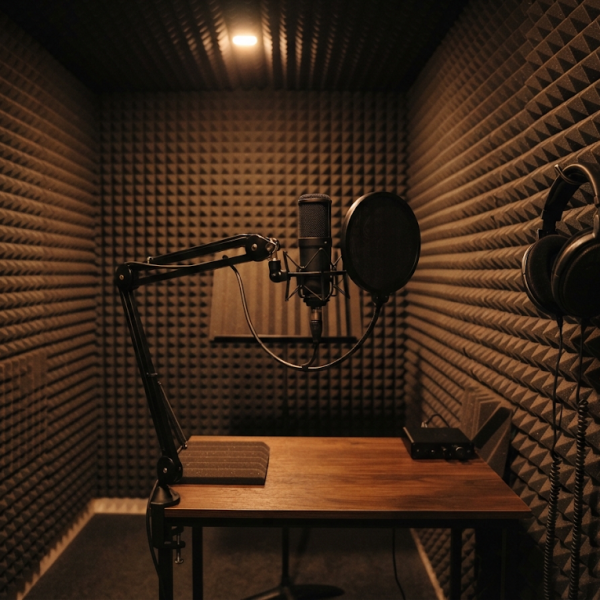
Good audio is the base of everything that follows, so record in a quiet room, place the microphone close to the speaker and avoid echo. Ask each person to speak one at a time, and save the file in a lossless or high quality format. A clear recording can cut the cost and time of the whole project in half.
Why transcription comes first
Translating directly from sound is hard to check, while a written transcript lets everyone see and correct the source. Automatic transcription of Russian has improved, yet it still misreads names, numbers and technical terms. A native Russian speaker should review the transcript against the audio and fix errors before any translation begins.
Speech features that need decisions
Spoken Russian includes fillers, repeated words and half sentences, and a literal translation of them reads badly in English. The team should agree whether to keep a verbatim style, which preserves every sound, or a clean style, which removes fillers and repairs sentences. Legal and research projects often need verbatim text, while marketing and training content suit a clean style.
Names, numbers and terms
Names of people, companies and places are easy to misspell when they are heard and not read. Share a list of names and terms with the transcriber, and ask for a flag wherever the sound is unclear. Numbers, dates and amounts deserve a second check, since a single mistake can change the meaning of a statement.
Timestamps and speaker labels
For interviews and meetings, add the time of each passage and the name of each speaker, so readers can find the right place in the recording. These labels also help the translator follow who says what and keep pronouns correct in English. Agree on a format at the start, and keep it the same across all files.
Translating the transcript
A translator then renders the Russian text into natural English, taking care with tone, humor and cultural references. Direct speech should sound like a person speaking, not like a legal document. A team that provides russian to english voice translation will often assign a native English editor to smooth the final text.
Once the transcript is clean and translated, the resulting text often needs to be delivered as a finished document for a client, a court or a publisher. Professional document translation services handle that step by formatting the text, checking names and figures against the recording, and certifying the result when an official copy is required. Ask for a written quote that lists transcription, translation and review separately, so you can see exactly what each stage costs.
Where machines can help
Automatic transcription and translation can produce a quick draft that shows the general topic of a long recording. A human editor then corrects the draft, which is faster than starting from scratch when the audio is clear. Our guide on machine translation post editing explains when this approach makes sense and when it does not.
Subtitles and captions
Video content may need subtitles that appear on screen, and these follow limits on line length and reading speed. A subtitle translator condenses the message so viewers can read it in time, which differs from a full transcript translation. Plan for this step if the video will be shared online or shown in a meeting without sound.
Dubbing and voiceover
Some projects replace the original voice with an English voice, either a recorded actor or a synthetic voice. The script must match the timing of the video, and the translator may shorten phrases to fit the pauses. Always review the final video with a native speaker to confirm that sound and picture agree.
Confidential recordings
Recordings of clinics, courts and company meetings contain private information, so choose a provider that signs a confidentiality agreement and stores files safely. Ask who will hear the audio and how long the files are kept. Avoid free tools that upload recordings to unknown servers when the content is sensitive.
Cost and timing
Transcription is priced by audio minute and translation by word, and difficult audio costs more. A one hour interview can take several hours to transcribe and review, so plan time for each stage. Send all files together with a short brief, and the provider can give a firm quote and a realistic date.
Final review
Before you publish or file the English text, compare names, numbers and key claims with the recording. Ask a bilingual colleague to listen to a few passages and check them against the English version. This final step catches the small errors that damage trust in interviews and reports.
Where to read more
For background on how speech is turned into written text, see the transcription article on Wikipedia. It explains the main types of transcription and where they are used.